


SEO Is Not About Ranking — It’s About Demand Capture
Why Traffic Without Intent Is Costing Businesses Real Money
For more than a decade, SEO has been sold with one promise: rank higher on Google.
Agencies pitch rankings. Tools track rankings. Business owners celebrate rankings.
And yet, thousands of businesses rank on page one and still struggle to generate leads,
close sales, or see any real ROI from SEO.
This leads to the most frustrating question business owners ask:
“If I’m ranking, why am I not making money?”
The answer is uncomfortable but simple:
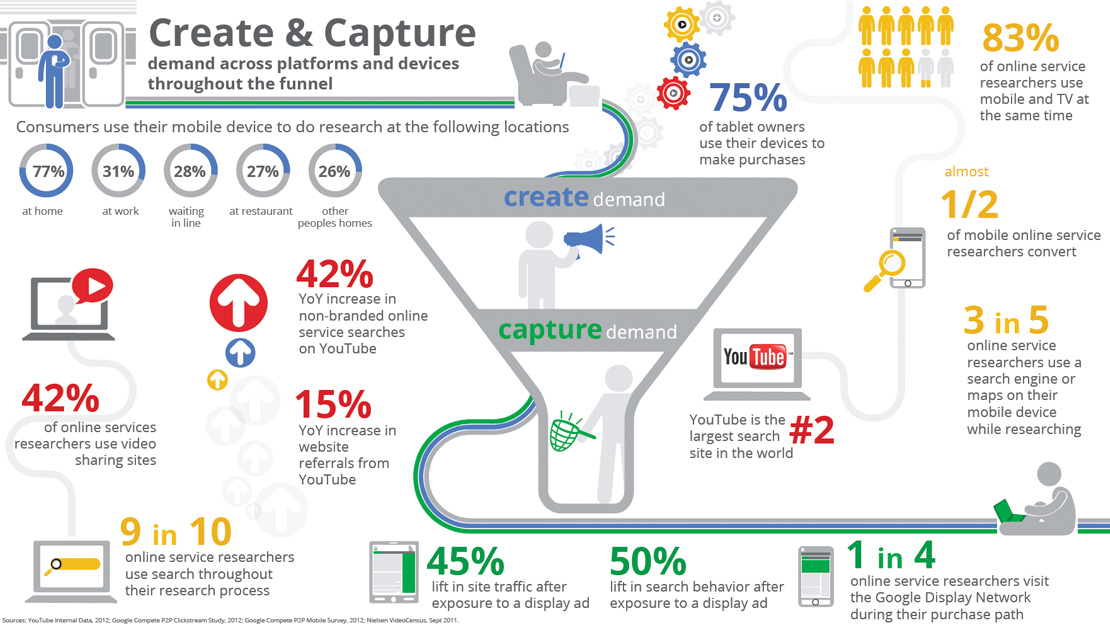
SEO was never about rankings. It’s about capturing demand at the exact moment people are ready to act.

1. The Fundamental Misunderstanding of SEO
Most people believe SEO works like this:
Rank higher → get traffic → make sales
In reality, SEO works very differently:
Existing demand → correct intent → trust → conversion
Ranking is only useful after demand already exists.
If there is no buying intent behind a search, ranking does nothing for revenue.
2. What Demand Capture Really Means
Demand capture means positioning your business so that when someone is already looking to
buy, book, compare, or hire — you are the obvious answer.
SEO does not create demand.
SEO captures demand that already exists.
- Low intent: “What is SEO?”
- Low intent: “How does laundry work?”
- High intent: “SEO agency for real estate companies”
- High intent: “Same day laundry pickup near me”
3. Ranking Without Intent Is Vanity SEO
Many businesses are pushed to chase traffic volume, impressions, and keyword positions.
This creates a dangerous illusion of success known as vanity SEO.
Vanity SEO looks good on reports but fails to impact revenue.
- High impressions
- High traffic
- Low leads
- Low sales
A website with 3,000 high-intent visitors can outperform a site with 50,000 unqualified visitors.
4. The Three Types of Search Demand

3Informational Demand
Users want answers and education. This traffic builds awareness but rarely converts directly.
2Commercial Demand
Users are comparing options. These searches are valuable and require trust-building pages.
1Transactional Demand
Users are ready to act. These searches generate the highest ROI and should be prioritized.
5. Why Ranking #1 Still Doesn’t Guarantee Leads
Even when businesses rank for buyer keywords, they often fail because:
- They rank blog posts instead of service pages
- They lack reviews and proof
- Their messaging is unclear
- There is no obvious next step
6. Demand Capture SEO Starts With Business Thinking
Traditional SEO asks: What keywords should we rank for?
Demand capture SEO asks:
How do people decide to buy this service?
This shift turns SEO into a sales system instead of a content exercise.
7. High-Intent Pages That Actually Capture Demand
- Core service pages
- Location-based service pages
- Pricing or quote pages
- Emergency or fast-action pages
8. Why Blogging Alone Is Not a Revenue Strategy
Blogs educate and build authority, but they rarely convert on their own.
Service pages are what close deals.
9. Local SEO Is Pure Demand Capture
Searches like “near me”, “open now”, and “same day” indicate readiness to act.
10. Trust Is the Conversion Multiplier
Trust does not increase traffic.
Trust increases conversion rate.
Real photos, reviews, clear processes, and transparency turn intent into revenue.
Final Takeaway
SEO is not about being seen. It’s about being chosen.
Ranking without demand capture is like opening a store on a busy road with no sign,
no staff, and no checkout.
When SEO aligns with buyer intent, trust, and clear action,
it stops being a cost and becomes a growth engine.