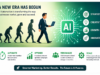



ChatGPT is becoming more than an AI assistant. It is becoming a new discovery,
research and advertising channel — and businesses need to start preparing now.
People searched for keywords, compared results and clicked websites.AI is changing that behaviour.Instead of searching:
“Best dentist near me”
A potential customer may now ask:
“I need a highly rated dentist near me who offers dental implants, financing and
weekend appointments. Which options should I consider?”
That is a completely different type of search behaviour.
With the emergence of ChatGPT advertising, marketers now have an
opportunity to reach users during these conversational research and buying journeys.
What Are ChatGPT Ads?
ChatGPT Ads are paid advertising placements designed to appear within the ChatGPT
experience.
Unlike traditional keyword advertising, conversational AI can understand much more
context about what a user is trying to accomplish.
For example, a user might say:
“I’m looking for accounting software for a small business. I have five employees
and need invoicing, payroll and expense tracking.”
The advertising opportunity is not necessarily based on one keyword such as
“accounting software.”
The conversation can provide multiple signals, including:
- Business size
- Industry
- Requirements
- Budget considerations
- Features needed
- Purchase intent
- Comparison behaviour
This makes conversational advertising potentially very different from traditional
search advertising.
Why ChatGPT Ads Could Be Important for Businesses
The biggest opportunity is not simply another advertising platform.
It is access to users while they are researching, comparing and making
decisions.
Traditional advertising often depends heavily on keywords, demographics or predefined
audiences.
AI advertising can potentially work around the
context of the conversation.
That opens several important opportunities.
1. Reach Users With Strong Intent
A person asking ChatGPT:
“Which CRM should I buy for my business?”
is already researching a purchase.
A person asking:
“What is CRM?”
is at a much earlier stage.
Understanding this difference can help advertisers develop campaigns around different
stages of the customer journey.
2. Conversational Intent Could Become the New Keyword Strategy
Google Ads introduced marketers to keyword-driven advertising.
ChatGPT introduces a different possibility:
conversation-driven intent.
Instead of creating campaigns around hundreds of individual keywords, marketers can
begin thinking about the questions and problems customers are trying to solve.
Awareness
“Are dental implants worth it?”
Research
“What is the difference between dental implants and dentures?”
Comparison
“What should I consider when choosing a dental implant dentist?”
Commercial
“Find dental implant dentists in my city.”
High Intent
“I need a dentist that offers dental implants and financing.”
These conversations can provide marketers with a much richer understanding of customer
intent.
3. ChatGPT Ads Could Complement Google Ads
ChatGPT Ads should not necessarily be viewed as a replacement for Google Ads.
The two platforms can serve different parts of the customer journey.
| Google Ads | ChatGPT Ads |
|---|---|
| Keyword-driven | Conversation-driven |
| Search queries | Natural-language conversations |
| Strong immediate intent | Research + commercial intent |
| Search results environment | AI conversation environment |
| Landing-page clicks | Contextual discovery opportunities |
| Keyword targeting | Contextual and conversational intent |
Google Ads
Capture users actively searching for a solution.
ChatGPT Ads
Reach users researching, comparing and evaluating solutions through AI.
4. The Biggest Opportunity May Be AI Search Visibility
Advertising is only one part of the AI search revolution.
There is another question businesses are going to ask:
“How do I get ChatGPT to mention my business?”
This is where AEO, GEO and AI Search Optimisation become increasingly
important.
Businesses will want to understand:
- How often their brand appears in AI answers
- Which competitors are being mentioned
- Which websites AI systems reference
- What information AI systems associate with their business
- Whether their local business is being recommended
- Which questions trigger their brand
- Which questions trigger competitors instead
This creates an entirely new marketing discipline.
ChatGPT Ads + AI SEO = A Powerful Combination
Imagine a local dental practice.
Instead of running only Google SEO and Google Ads, the marketing strategy could include:
Search
- Google SEO
- Google Maps
- Google Ads
AI Search
- ChatGPT visibility
- Google AI Overviews
- Gemini
- Perplexity
- AEO
- GEO
- Entity optimisation
- AI citation monitoring
AI Advertising
- ChatGPT Ads
- Conversational intent campaigns
- CPC optimisation
- Conversion tracking
Conversion
- Landing pages
- Appointment booking
- Phone tracking
- Lead automation
- CRM integration
Now the business is not simply trying to rank on Google.
It is trying to become visible throughout the entire AI-powered customer
journey.
Which Businesses Could Benefit Most?
Not every business will have the same opportunity.
ChatGPT advertising may be particularly interesting for businesses where customers
typically research before making a decision.
Healthcare
- Dentists
- Dermatologists
- Med spas
- Cosmetic clinics
- Plastic surgeons
- Specialist healthcare providers
Professional Services
- Lawyers
- Accountants
- Financial advisors
- Immigration consultants
- Business consultants
Home Services
- Roofing
- HVAC
- Plumbing
- Solar
- Remodeling
- Electrical services
Technology
- SaaS companies
- CRM platforms
- Marketing software
- AI tools
- Productivity software
High-Value E-commerce
- Electronics
- Furniture
- Home equipment
- Premium products
- Specialist products
The higher the customer value, the more attractive conversational advertising may
become.
A New Opportunity for Digital Marketing Agencies
For agencies, this creates a potential new service category.
Instead of selling only SEO or Google Ads, agencies can start developing:
AI Search Marketing
This could combine:
- SEO
- Local SEO
- Google Ads
- AEO
- GEO
- AI visibility
- ChatGPT Ads
- AI citation optimisation
- Conversion optimisation
- Analytics
The agency becomes responsible for the client’s visibility across both
traditional search and AI search.
What Should Marketers Start Doing Now?
Businesses do not need to abandon their existing SEO strategy.
Instead, they should expand it.
Step 1: Strengthen Your Existing SEO
Make sure your website has:
- Strong technical SEO
- High-quality content
- Clear service pages
- Local landing pages
- Structured data
- Strong internal linking
- Authoritative backlinks
- Consistent business information
Step 2: Build Content Around Questions
Do not create content only around keywords.
Create content around the questions customers actually ask.
For example, instead of only targeting:
“Dental Implants Delhi”
also create content around questions such as:
- How much do dental implants cost?
- Are dental implants painful?
- How long do dental implants last?
- Dental implants vs dentures
- How to choose a dental implant dentist
- What happens during dental implant treatment?
This type of content can help your brand become a useful information source for both
search engines and AI systems.
Step 3: Start Tracking AI Visibility
Create a list of important prompts related to your business.
“Best dentists in [city]”
“Best dental implant clinics in [city]”
“Affordable cosmetic dentists near [city]”
“Dentists offering financing in [city]”
Then monitor:
- Which businesses appear
- How often your business appears
- Which competitors appear
- Which sources are referenced
- What information is missing
This can become your AI visibility benchmark.
Step 4: Prepare for ChatGPT Ads
As ChatGPT advertising evolves, marketers should become familiar with:
- Campaign structures
- CPC bidding
- Budgets
- Creative
- Targeting and intent
- Landing pages
- Conversion tracking
- Cost per lead
- Customer acquisition cost
- Return on ad spend
The goal should not be to spend money simply because a new platform exists.
The goal should be to identify profitable conversational intent.
What Could Happen Over the Next Few Years?
Search behaviour is moving from:
Keywords → Queries → Conversations → AI recommendations
That does not mean Google disappears.
Instead, the search ecosystem becomes more fragmented.
A customer may discover a company through Google Search, research it through ChatGPT,
compare it through Perplexity, watch a video on YouTube, return to Google Maps and
finally convert through the company’s website or WhatsApp.
Businesses therefore need to think beyond a single search engine.
The Future of Local SEO Is Becoming AI Search
Local SEO traditionally focused on:
- Google Business Profile
- Maps rankings
- Reviews
- Local citations
- NAP consistency
- Local backlinks
- Location pages
The next generation could also include:
- AI visibility
- Entity authority
- AI citations
- Conversational recommendations
- AI search monitoring
- AI-generated local discovery
- ChatGPT advertising
This is why Local SEO + AEO + GEO + AI Ads could become an important
combination for local businesses.
ChatGPT Ads Are Not a Replacement for Organic Visibility
One important distinction needs to be made.
Paid advertising and organic AI visibility are different strategies.
ChatGPT Ads
You pay to advertise.
AI Search Optimisation
You build the authority, content, entity signals and online presence that can help your
business become more visible in AI-generated answers.
The smartest strategy is likely to combine both.
The New Digital Marketing Funnel
The traditional funnel looked like:
Search → Click → Website → Lead → Customer
The AI-powered funnel may increasingly look like:
Question → AI Research → Recommendation → Comparison → Website → Lead → Customer
That changes what marketers need to measure.
Instead of measuring only:
- Rankings
- Impressions
- Clicks
- CPC
- Leads
we may also need to measure:
- AI mentions
- AI visibility
- Brand inclusion
- Competitor inclusion
- AI citations
- Conversational intent
- AI-assisted conversions
Final Thoughts
ChatGPT Ads are more than another advertising placement.
They represent a broader change in how people discover information, compare businesses
and make purchasing decisions.
For marketers, the opportunity is not simply:
“Let’s run ads on ChatGPT.”
The bigger opportunity is:
“Let’s make our brand visible wherever customers use AI to make decisions.”
That means preparing for both sides of the AI search ecosystem:
Paid AI visibility + Organic AI visibility.
Businesses that start experimenting early can develop valuable data about conversational
intent, customer questions, creative performance and conversion behaviour before the
channel becomes more competitive.
The future of digital marketing will not simply be
Google vs ChatGPT.
It will be about building a strategy that works across search engines, AI assistants,
social platforms and every place where customers discover and evaluate businesses.
AI search is becoming a new marketing battlefield. Businesses that prepare early may
have a significant advantage.