

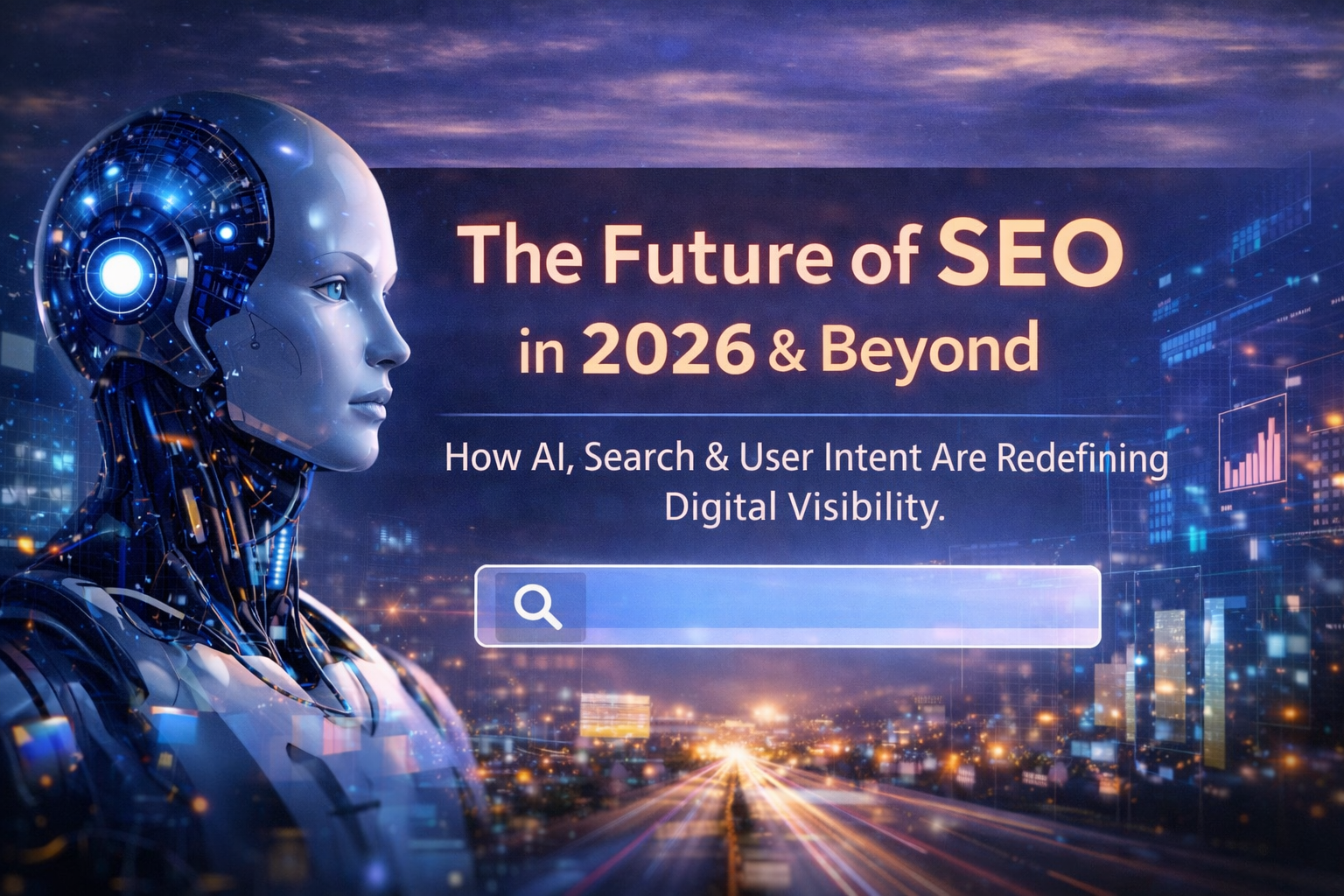
Businesses that continue to rely on outdated SEO practices are already losing visibility, while those adapting to AI-driven search ecosystems are building long-term dominance.
1. SEO Has Shifted from Keywords to Intent
In the early days of SEO, success depended heavily on keyword placement and density. By 2026, this approach is obsolete. Modern search engines understand why a user is searching, not just what they typed.
AI-powered algorithms analyze:
- Search context and phrasing
- Past user behavior
- Location, device, and timing
- Implied needs behind the query
For example, a search for “best laptop” can mean comparison research, immediate purchase intent, or technical education. Search engines now deliver results based on inferred intent rather than matching exact phrases.
What this means for SEO
Content must be created to solve specific problems, answer real questions, and guide users toward meaningful outcomes. Pages optimized purely for keywords without addressing intent are increasingly ignored.
2. AI-First Search Is Now the Standard
By 2026, artificial intelligence is no longer an enhancement to search; it is the foundation. Search engines use advanced machine learning models to synthesize information, predict relevance, and generate answers directly within results.
Key AI-driven changes include:
- AI-generated summaries replacing traditional listings
- Conversational result formats
- Predictive search responses
- Continuous learning from user engagement
Rather than ranking pages in isolation, AI systems evaluate content quality, authority, consistency, and trustworthiness across the entire domain.
SEO implication
To rank and remain visible, content must be accurate, well-structured, and genuinely helpful. AI rewards clarity, depth, and expertise over manipulation or shortcuts.
3. The Rise of Zero-Click and AI Overview Results
One of the most disruptive changes in modern SEO is the explosion of zero-click searches. In many cases, users now receive complete answers directly on the search results page through AI summaries, featured snippets, and knowledge panels.
While this reduces direct website traffic, it introduces a new form of visibility: authority positioning.
Websites that become trusted sources are:
- Quoted in AI-generated answers
- Referenced as authoritative sources
- Recognized as subject-matter leaders
The new SEO goal
Success is no longer measured solely by clicks. Visibility, brand recognition, and citation within AI answers are now equally valuable metrics.

4. Topical Authority Is More Important Than Ever
In 2026, ranking individual pages is not enough. Search engines prioritize websites that demonstrate topical authority across an entire subject area.
Topical authority is built by:
- Publishing comprehensive content clusters
- Covering a topic from multiple angles
- Interlinking related pages logically
- Maintaining consistent quality and relevance
Search engines trust websites that show long-term commitment to a subject. A single optimized page cannot compete with a structured knowledge ecosystem.
5. Voice Search and Conversational Queries Dominate
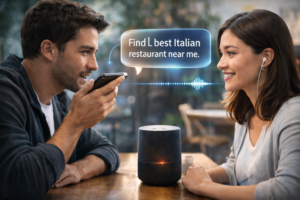
Voice-enabled devices, AI assistants, and in-car search systems have reshaped how people search. By 2026, conversational queries are the norm rather than the exception.
- Longer and more natural
- Question-based
- Highly intent-driven
- Often local or immediate
Optimization strategy
- Use natural language in content
- Include FAQ sections
- Write clear, concise answers
- Optimize for local and mobile experiences
Content that sounds human performs better in a conversational search environment.
6. User Experience Is a Core Ranking Factor
SEO is no longer separate from design, usability, and performance. Search engines now measure how users interact with websites in real time.
- Page speed and loading performance
- Mobile usability
- Navigation clarity
- Content readability
- Engagement and dwell time
A technically optimized page that delivers a poor user experience will struggle to rank, regardless of backlinks or content volume.

7. Trust, Credibility, and Transparency Define Rankings
Trust has become one of the most powerful ranking signals. In an era of AI-generated content and misinformation, search engines prioritize credibility above all else.
- Clear authorship and credentials
- Transparent business information
- Genuine customer reviews
- Secure and accessible websites
- Consistent brand presence across platforms
Brands must invest in authority building, reputation management, and authenticity to remain competitive.
8. Local SEO Has Become Hyper-Personalized
Local search results in 2026 are dynamic and personalized, adapting based on location, past interactions, time of day, and urgency.
Local SEO now demands consistent content, accurate data, active reviews, and engagement across maps, directories, and social platforms.
9. Content Quality Has Replaced Content Quantity
Publishing more content no longer guarantees success. AI-driven search evaluates depth, originality, accuracy, structure, and user value.
One authoritative article can outperform dozens of shallow posts.
10. Technical SEO Is the Foundation, Not the Strategy
Technical SEO remains critical but is now expected by default. Without clean architecture, structured data, fast speeds, secure protocols, and proper indexing, even excellent content will fail.
11. SEO Is Now a Long-Term Brand Investment
In 2026, SEO is a long-term brand-building strategy that compounds over time through authority, trust, and recognition within AI systems.
12. Measuring SEO Success Has Evolved
Modern SEO success is measured by AI visibility, brand citations, engagement quality, conversion impact, and long-term authority growth—not just rankings or traffic.